A growing class of cancer medicines, known as radiopharmaceuticals, combines a molecule designed to target cancer cells with a radioactive substance that delivers radiation to damage them. One example is Pluvicto, a prostate cancer treatment that uses lutetium-177, a radioactive form of the element lutetium, attached to a molecule that recognizes a protein commonly found on prostate cancer cells. First approved in 2022 for certain patients whose cancer had spread despite hormone-targeted treatment and who had already received chemotherapy, its approval expanded in 2025 to include patients whose disease had progressed despite hormone-targeted treatment but for whom chemotherapy could be delayed. In July 2026, the FDA expanded its approval again, allowing certain patients whose cancer had spread but remained sensitive to hormone treatment to receive Pluvicto alongside hormone-targeting medicines. These successive approvals illustrate how radiopharmaceuticals are becoming available earlier in cancer care, potentially expanding the number of patients eligible for treatment.
However, as more radiopharmaceuticals gain approval and existing treatments become available to larger patient populations, demand will also increase for the radioactive materials needed to manufacture them. These materials, known as isotopes, require specialized production facilities, including nuclear reactors for many therapeutic isotopes, and cannot be stored indefinitely because they gradually lose their radioactivity. Therefore, the growth of radiopharmaceuticals creates not only new opportunities for cancer treatment but also a growing commercial need for reliable isotope production, additional manufacturing capacity and dependable supply chains.
The business implications are growing. The European Commission projects that demand for therapeutic radioisotopes will triple by 2035, while its new supply strategy warns about vulnerable supply chains and dependence on specialized facilities. For companies developing these medicines, access to reliable isotope production could therefore become an increasingly important factor in manufacturing costs and commercial competitiveness.
Israel already participates in this growing industry. The Israeli company Isotopia Molecular Imaging manufactures radioactive ingredients used in cancer treatment, including terbium-161, an isotope being investigated for a newer generation of targeted therapies. In 2025, Isotopia signed a four-year agreement with US-based ASP Isotopes to purchase gadolinium-160, a specialized starting material used to produce terbium-161, with an expected minimum contract value of $1 million annually from 2026. The agreement illustrates how securing the materials needed for emerging cancer treatments is already becoming an important commercial consideration.
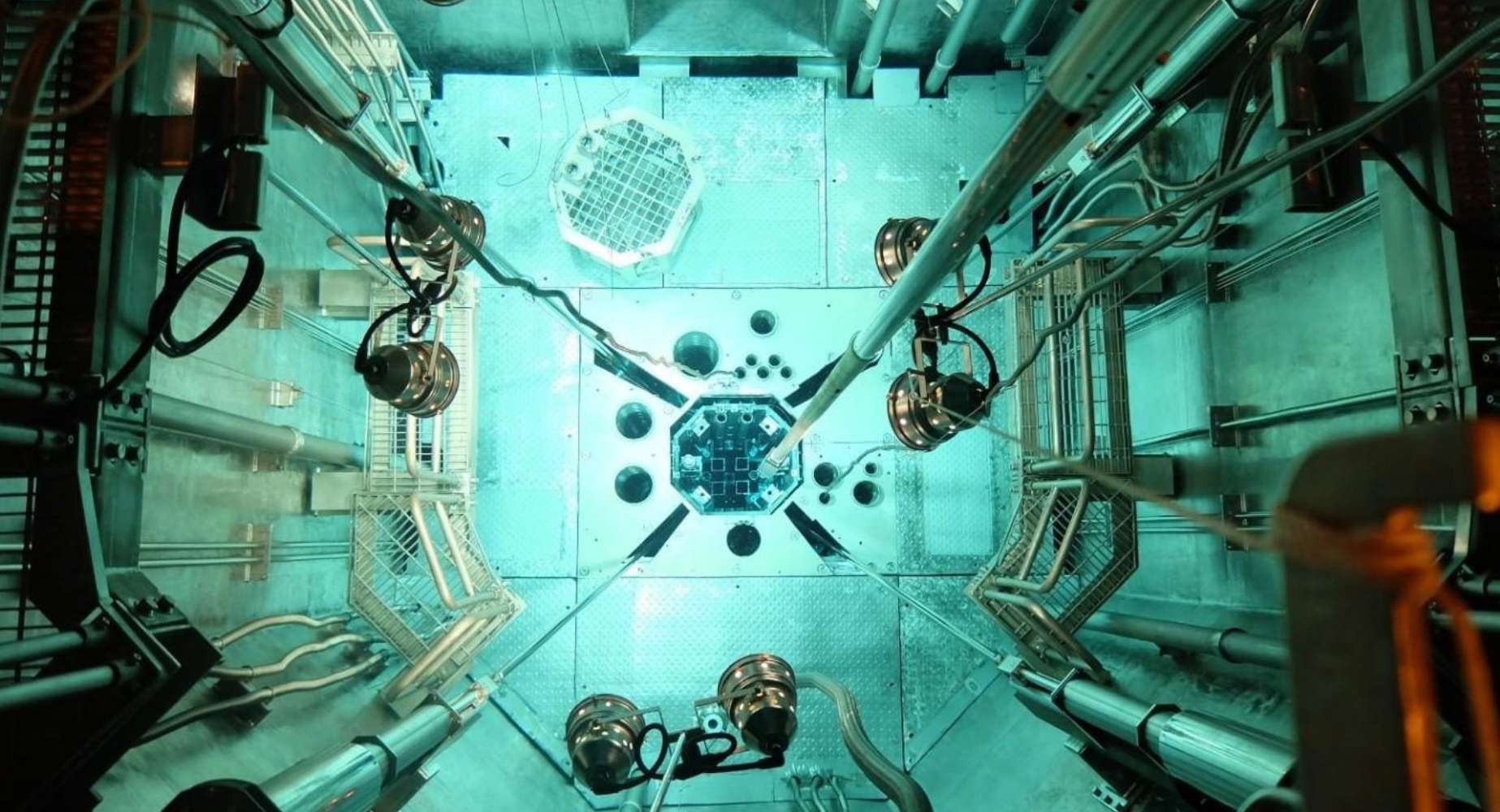
Now comes an unexpected connection. Jordan operates the Jordan Research and Training Reactor, which already has experience producing radioactive materials used in cancer treatment. In a September 2024 statement recorded by the International Atomic Energy Agency, Jordan reported producing holmium-166, a radioactive isotope used in cancer treatment, and distributing it internationally. The same statement reported ongoing research into producing terbium-161, an isotope already being manufactured by Israel’s Isotopia for clinical trials.
This creates two potential business opportunities. The first is for Isotopia, which already relies on nuclear reactor services to manufacture its radioactive isotopes, to examine whether Jordan could provide additional production capacity alongside its existing arrangements. The second is broader, involving the possibility that Jordan’s reactor could serve other Israeli companies developing radiopharmaceuticals, helping diversify their sources of production capacity as the industry expands.
As more radiopharmaceutical treatments reach the market and existing medicines become available to larger patient populations, demand for radioactive isotopes is expected to increase, potentially placing greater pressure on existing production facilities. Therefore, rather than waiting for supply constraints to emerge, Israeli manufacturers could investigate whether Jordan’s reactor offers competitive costs, additional capacity and greater supply security. A practical assessment could compare Jordan’s capabilities, prices, delivery reliability and regulatory requirements with existing suppliers, followed by a limited pilot if the results justify it.
Any potential arrangement would first require authorization from both Israeli and Jordanian authorities, as well as confirmation that Jordan’s reactor could provide the necessary production services reliably. Although Isotopia already reports priority access to nuclear reactor capacity, an additional qualified option could become commercially valuable as demand increases, particularly if it offers competitive prices, greater production flexibility or protection against future disruptions.
However, geographic proximity does not automatically translate into lower costs. Terbium-161 loses approximately half its radioactivity in a week, making delivery schedules particularly important. Israel’s Jordan River crossing already handles commercial freight, although hazardous shipments require advance coordination, and transporting radioactive materials would require appropriate approvals. Therefore, any potential savings would need to be weighed against actual transportation costs, border procedures and delivery reliability.
If an initial assessment identifies a competitive opportunity, a limited pilot could establish whether the arrangement works before either side makes larger commitments. The purpose would not be to replace existing suppliers or pursue cooperation for its own sake, but to determine whether Jordan could become an economically attractive additional source of production capacity.
As radiopharmaceuticals become more widely used in cancer treatment, manufacturers will increasingly need to plan for growing demand and potential supply constraints. Israel therefore has a commercial reason to examine whether Jordan’s established nuclear capabilities could strengthen its future production options. The answer may ultimately be no, but it should be determined by the economics and practical feasibility rather than by overlooking a potentially useful industrial resource across the border.