Matt Reisener, Senior National Security Advisor at the Center for Maritime Strategy and former Senior Program Manager for the Middle East and North Africa at the National Democratic Institute, offers a clear assessment in the Jerusalem Strategic Tribune of the possible consequences of the war with Iran.
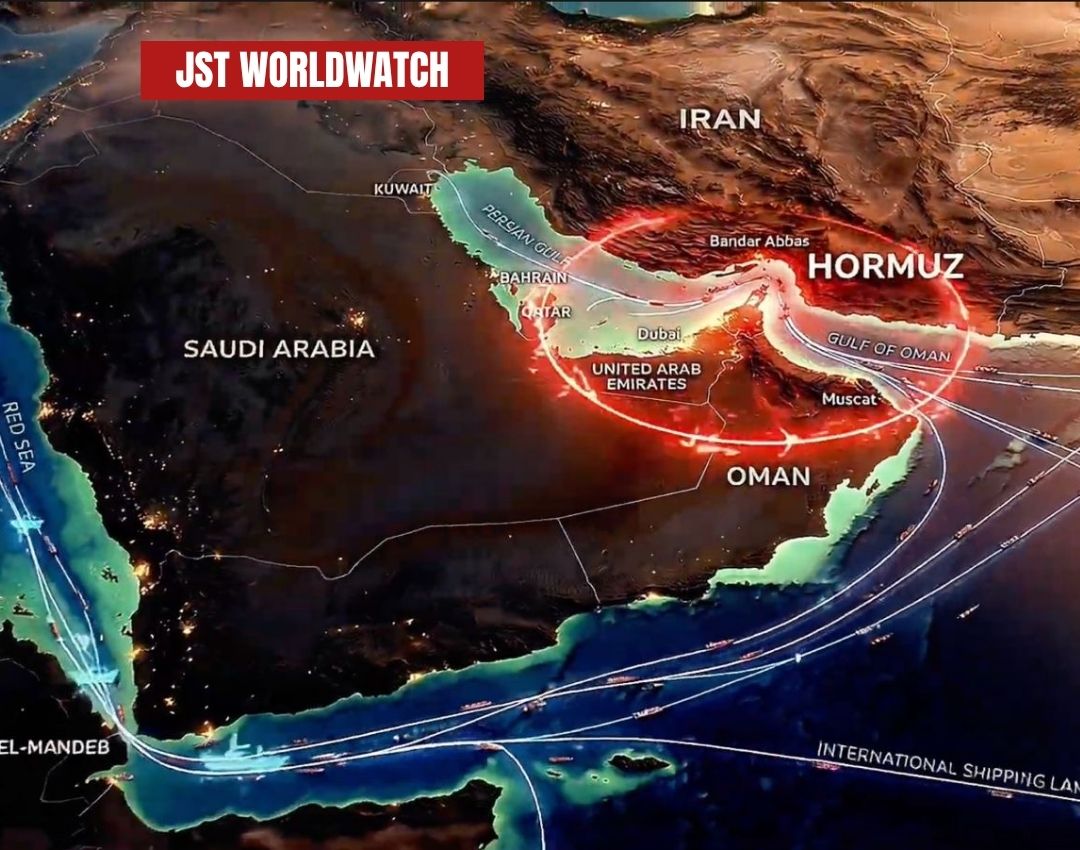
He argues that if this regime succeeds in its gamble over the Strait of Hormuz, the balance of power in the Gulf will change.
The reason is clear: the Strait of Hormuz is not only a passage. It is a bargaining chip, a legal test, and a geopolitical fault line.
Can Iran Really Control the Strait of Hormuz?
by
May 2026
Recent Articles
DANGEROUSLY IGNORED DIFFERENCES
DONALD TRUMP, “FRICTION” AND NUCLEAR WAR
DONALD TRUMP, “FRICTION” AND NUCLEAR WAR
“Friction is the difference between war on paper and war as it actually is.”Carl von Clausewitz, On War From the start of his war against Iran, US President Donald J. Trump has misunderstood nuclear war and nuclear deterrence. Conspicuously, he has assumed, without tangible evidence or sound logical argument, a direct correlation between the magnitude of his […]
The Unexpected Return of the Falkland Islands Question
In a world with no shortage of hotspots, the Falklands Islands have surprisingly reappeared as a point of international tension. Argentine President Javier Milei, who until recently had largely avoided raising this longstanding point of grievance, has returned to this rebarbative theme as his popularity wanes and he contemplates a tough campaign for reelection. Milei […]
From Containment to Regime Change: Israel’s New Strategic Logic?
The American-Israeli war against Iran launched in late February 2026 included an unusually ambitious objective. Beyond degrading Iran’s nuclear and missile capabilities, Israel and the United States devised a plan to topple the regime in Iran. According to media reports, this effort military pressure could lead to the collapse of the Islamic Republic, an influence […]