Regime Change in Tehran Is a Strategic Imperative
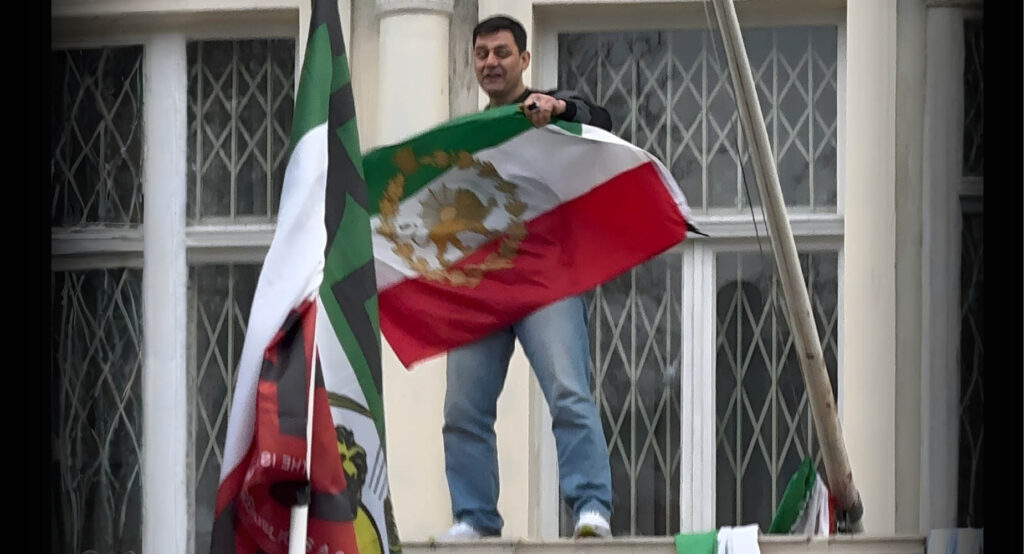
The debate over Iran has long revolved around tactics: sanctions or engagement, containment or deterrence, military strikes or diplomatic agreements. These discussions, while important, obscure a more fundamental reality. The challenge posed by Iran is not merely about enrichment levels, missile ranges, or proxy networks. It is about the nature of the regime itself. The […]
What If the War Made Khamenei Strategically Flexible?
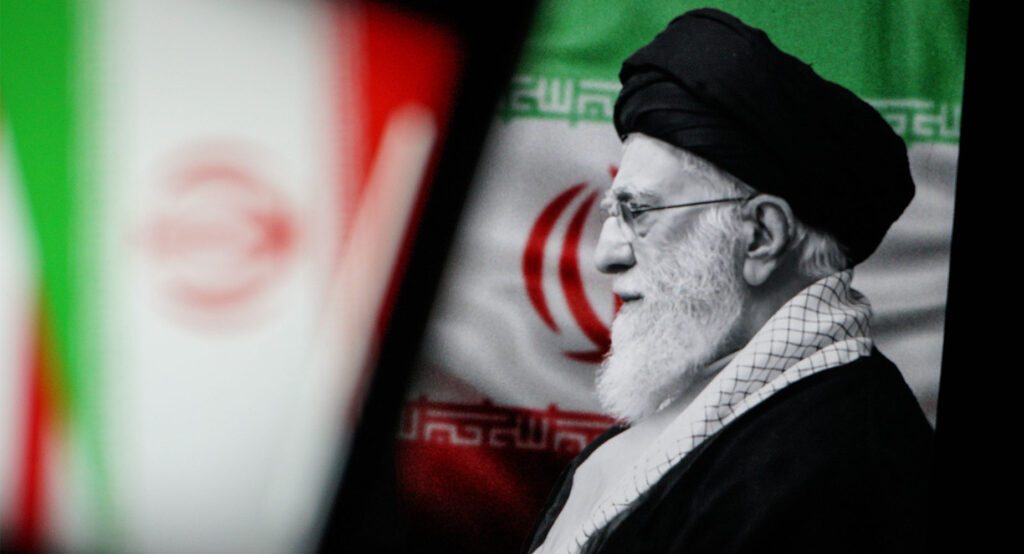
Among Iran hawks, there is confidence that talks between the United States and the Islamic Republic of Iran will collapse. Iran, they reckon, will reject the Trump administration’s demands, namely, disarmament of the nuclear program, missile program, and proxies. In his four decades of rule, Supreme Leader Ali Khamenei has never shown strategic flexibility, and […]
India and Israel: Strategic Convergence in a Changing World
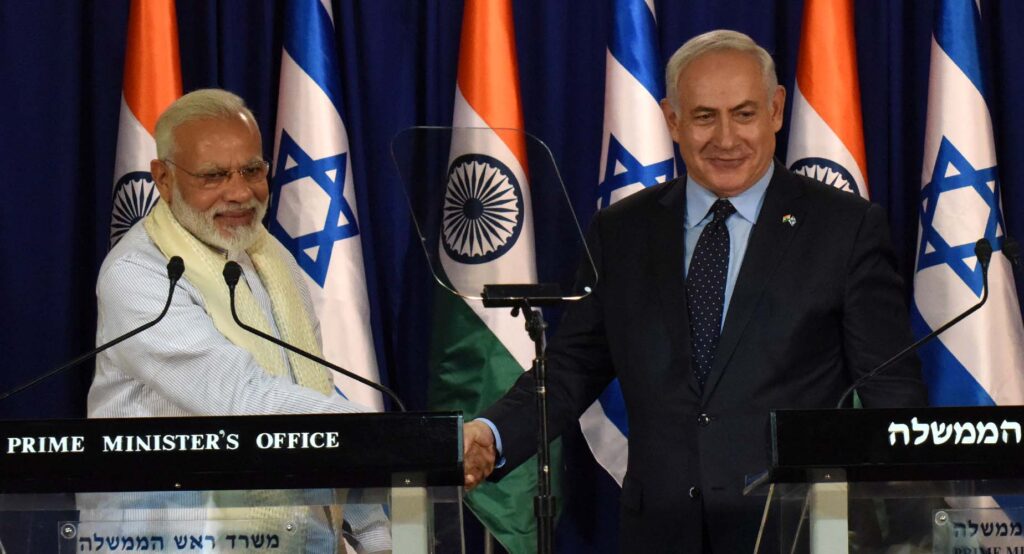
Prime Minister Narendra Modi’s decision to visit Israel, for the first time since 2017, and to address the Knesset for the first time ever, is a significant milestone in the emergence of what his long-time Israeli partner, Binyamin Netanyahu, calls a “tremendous alliance”: an overstatement, perhaps, insofar as the two nations are not formally allied […]
Why Italy Is the Strategic Anchor of US Policy in the Mediterranean
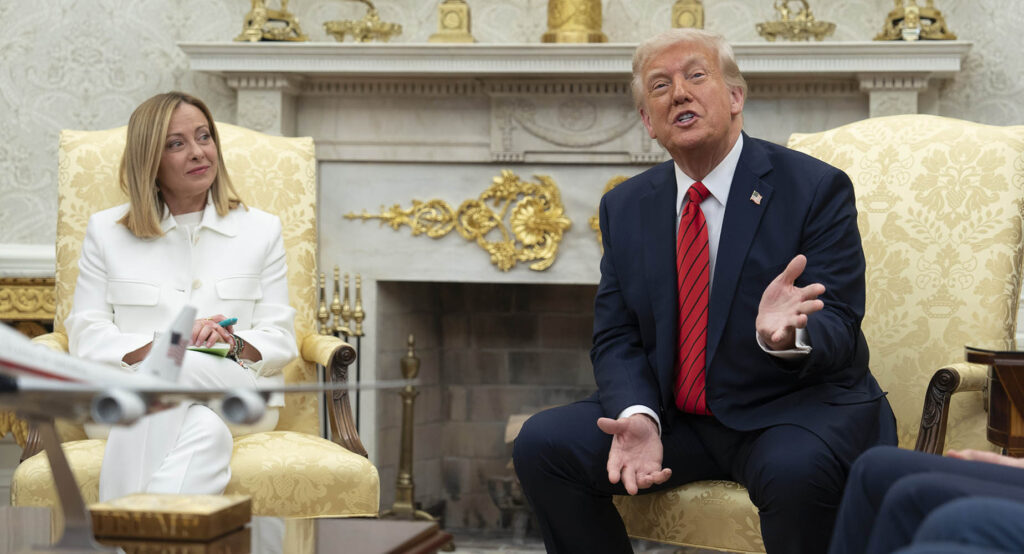
As the United States reassesses its military posture in Europe and shifts strategic bandwidth toward the Indo-Pacific, it must also reassess the architecture of its Mediterranean partnerships. The Mediterranean remains a theater Washington cannot afford to neglect. Between Russian revanchism, Chinese technological penetration, North African instability, energy corridors, and the security of the Red Sea, […]
Libya and the Return of Strategic Leadership in the Mediterranean
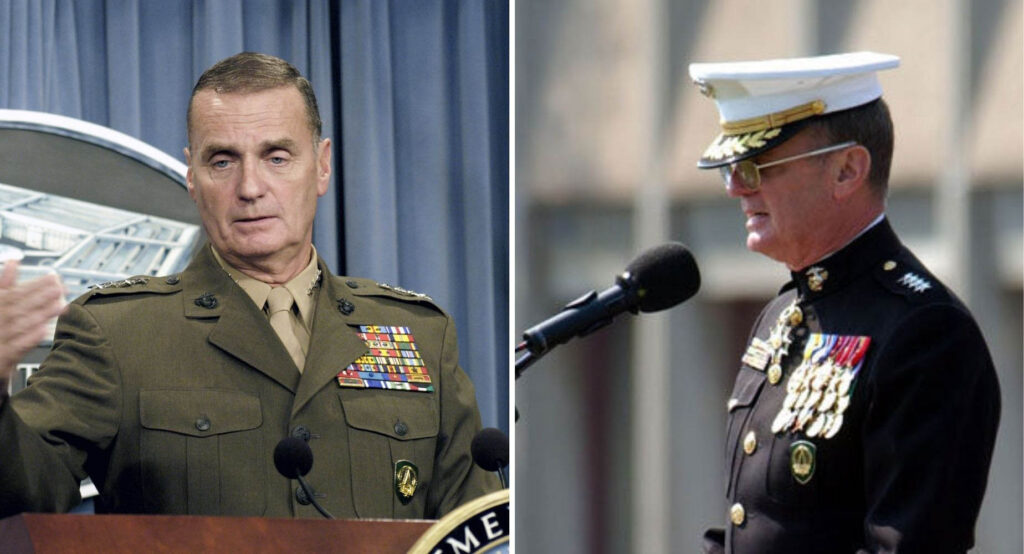
For more than a decade, Libya has stood as a symbol of unfinished intervention — a country liberated from dictatorship but never stabilized into durable statehood. The result has not merely been internal fragmentation. It has been the steady erosion of security across the central Mediterranean, the expansion of external influence, and the normalization of […]
Europe: Stuck in the Twenty-first Century
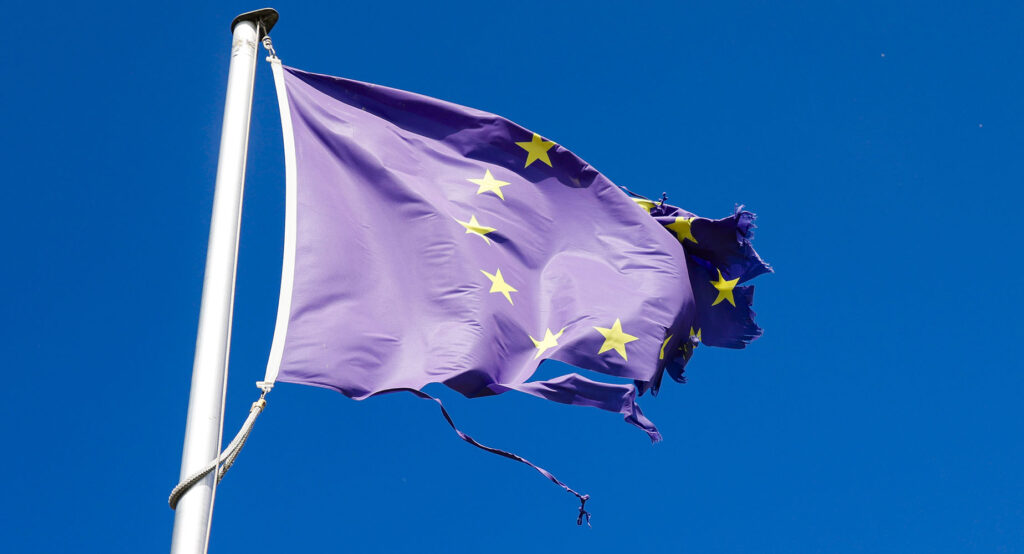
The twentieth century was initially the worst of times and then the best of times for Europe. In that century’s first half, the continent experienced the two most deadly and destructive wars in all of history. During the first of them, communists seized control of the Russian empire and from there spread their rule westward […]
The Real Iran Problem
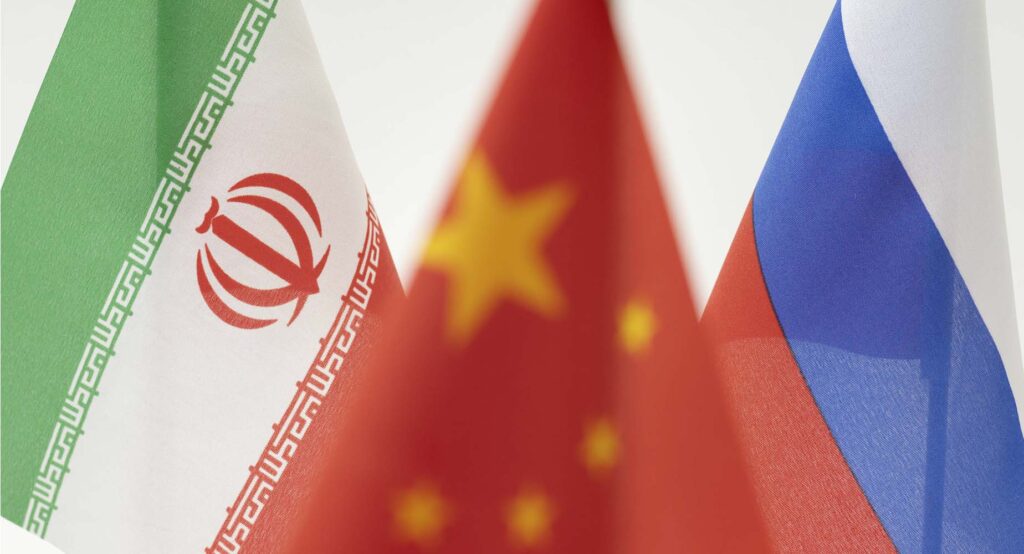
For almost five decades, the Islamic Republic of Iran has survived sustained American pressure not through strength, legitimacy, or economic resilience, but through strategic utility. Tehran has learned to convert asymmetric tools—hostage diplomacy, proxy warfare, and ideological export—into leverage within a shifting global order. Unfortunately, Washington has treated Tehran as a self-contained Middle Eastern problem […]
American Security Interests in Asia
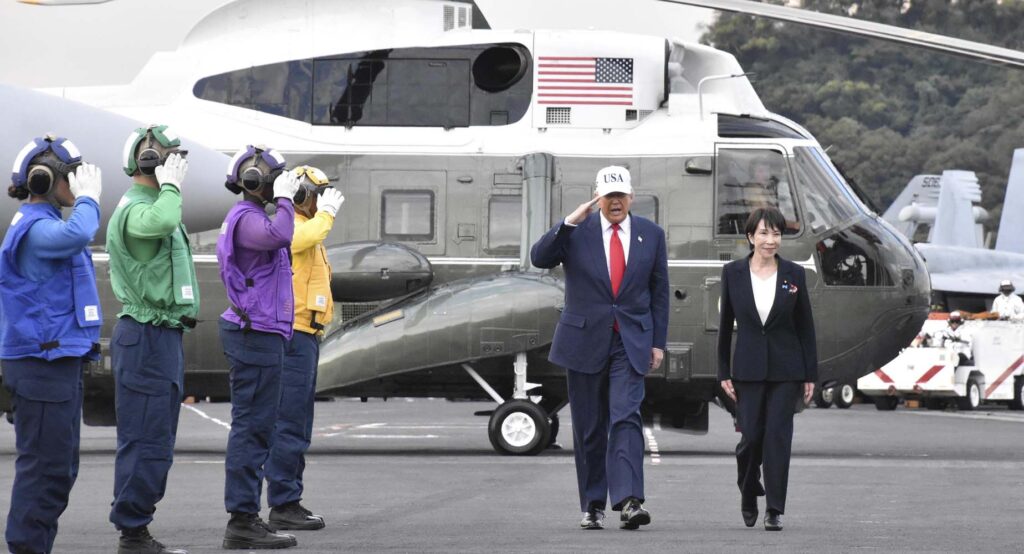
Japanese Prime Minister Sanae Takaichi took a calculated gamble to call for elections only four months into her tenure. The Liberal Democratic Party was in deep trouble with the Japanese electorate. While LDP objectionable behavior seems modest compared to European or US values, it represented an arrogance by the LDP that deeply offended Japanese voters. […]
Iran at the Edge: Pressure, Transition, and the Responsibility of Clarity
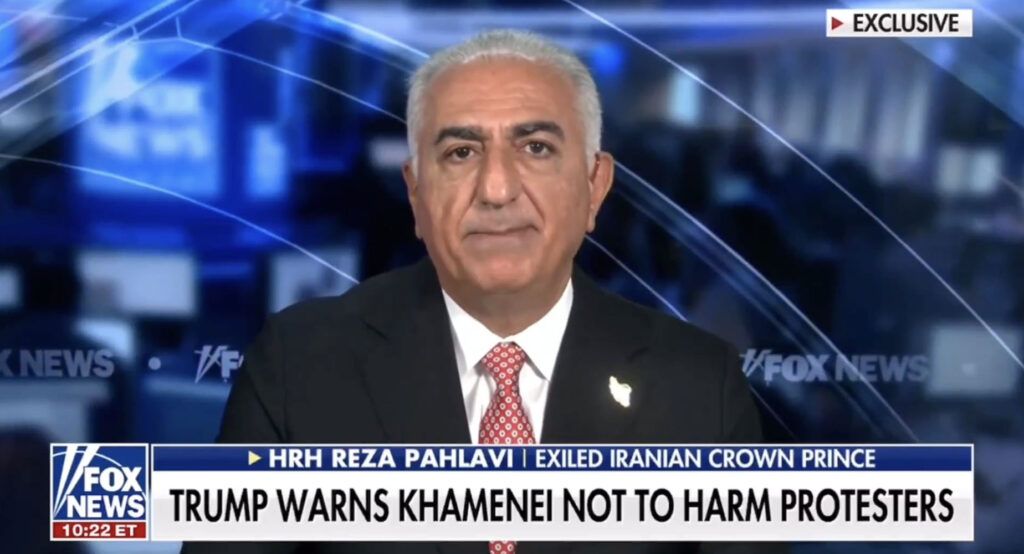
Maximum Pressure Is a Strategy — Not a Spectacle In a recent interview with Maria Bartiromo on Fox News, Reza Pahlavi — son of the late Shah of Iran — spoke about the brutal repression inside Iran, where protesters are executed, dissidents are silenced, and a generation lives under the constant shadow of state violence. […]
Marco Rubio at Munich: Sovereignty, Deterrence, and the Strategic Recalibration of the West
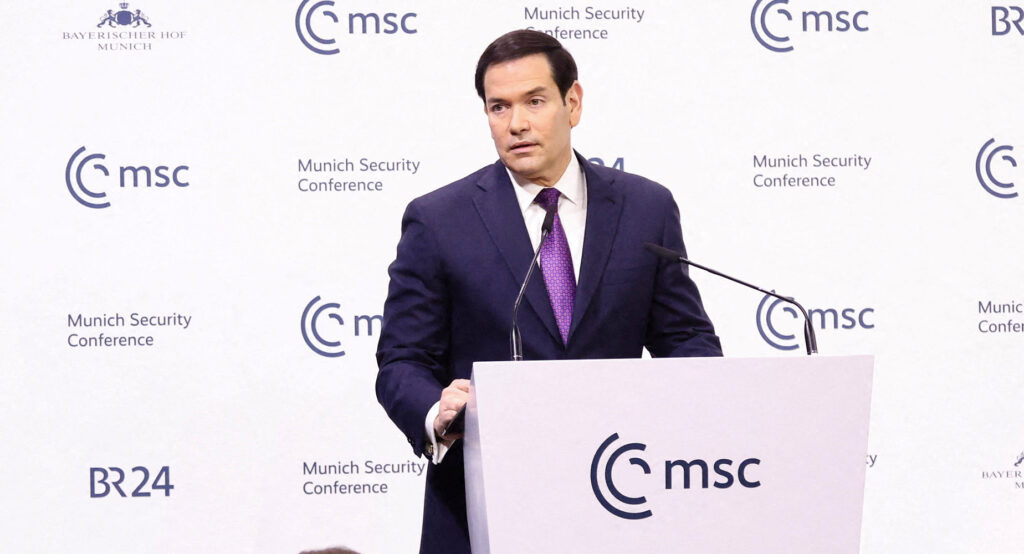
At the 62nd Munich Security Conference, U.S. Secretary of State Marco Rubio delivered a speech that signaled not merely rhetorical reassurance, but a strategic recalibration of transatlantic expectations. Rubio’s central message was grounded in sovereignty and deterrence. While reaffirming that “the United States and Europe belong together,” he made clear that partnership must be anchored […]