He Will Not Give Up
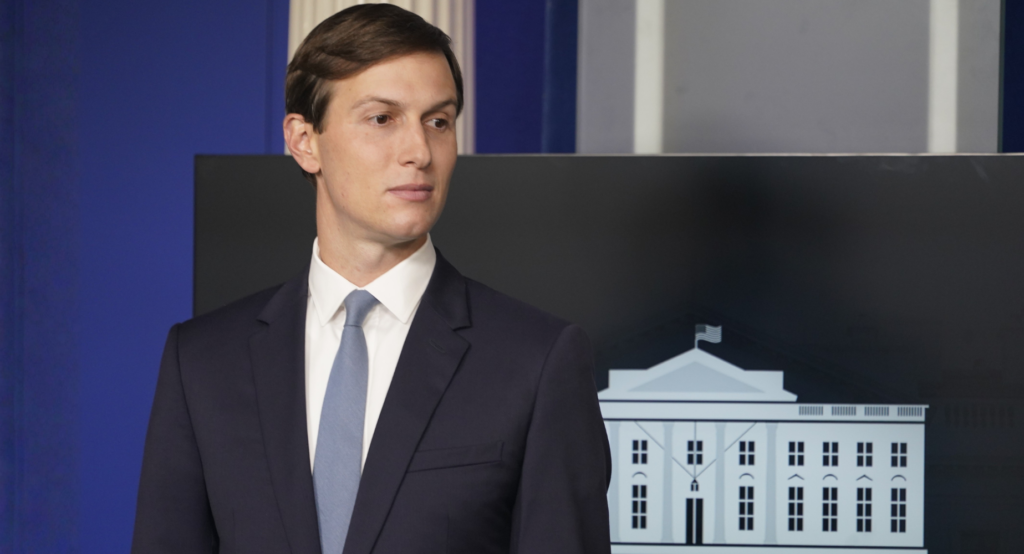
I went to present Jared Kushner with the Abraham Shield Award 2026 because of what he had achieved. I left thinking even more deeply about who he is. We spoke for nearly an hour. There was no ceremony in his manner, no distance and none of the self-importance that so often accompanies power. He was […]
Warning! The Iran War Is Heading Down the Track to Vietnam
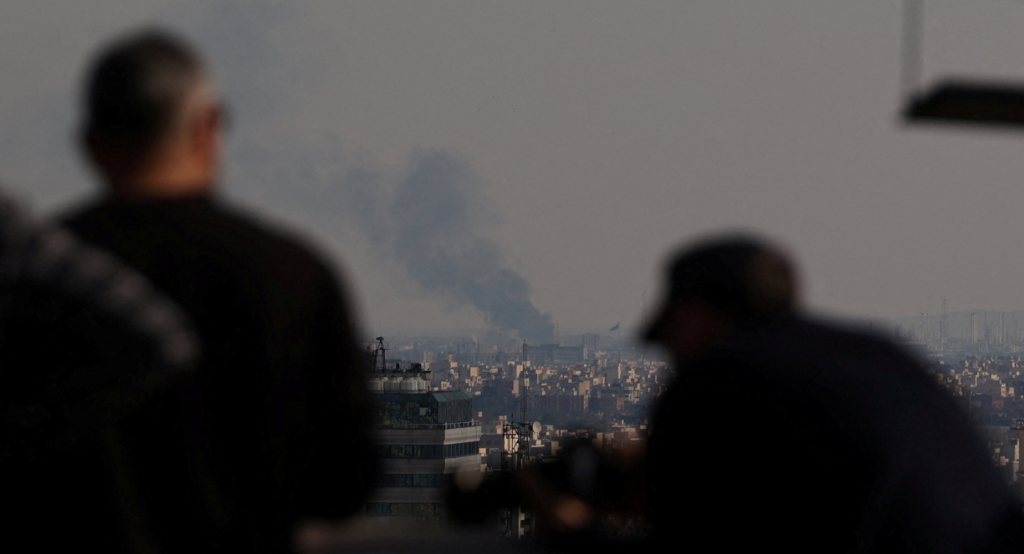
The United States is wielding enormous power against Iran through cumulative warfare: another strike, another degradation, another punitive blow—each intended gradually to change Tehran’s will. This is the logic that prolonged Vietnam. Washington can control each strike’s intensity, but not how many will be required, how long the war will last, or its terms of […]
The Spread of Terrorism Across the Sahel States and Their Search for Reliable Security Partners: An Opportunity for the United States and Moderate Forces in the Region
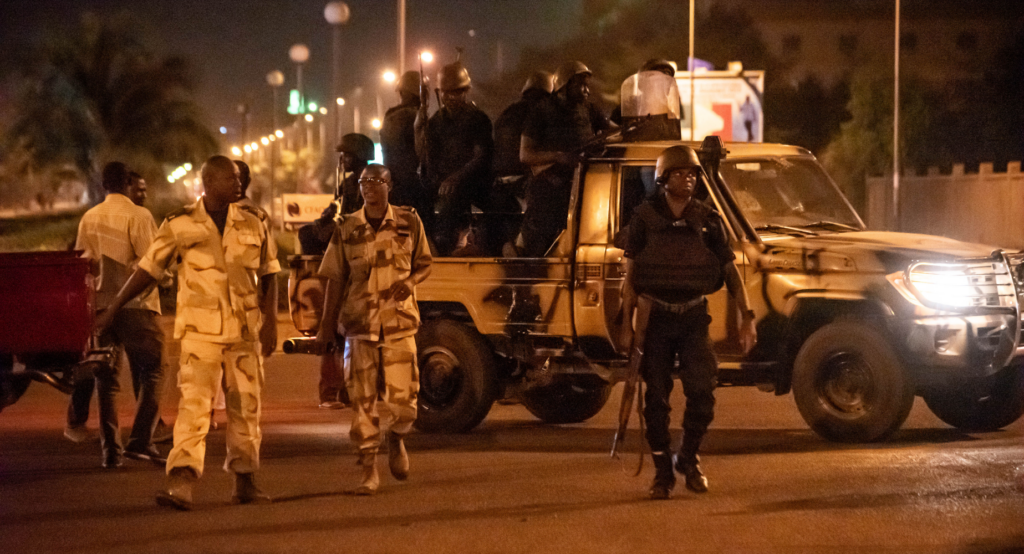
Over the past year, Jihadist terrorism in the Sahel region of Africa, especially in Mali, has reached a new level of audacity. Global Jihadist organizations are carrying out bolder attacks, determined to tighten their encirclement around the state and undermine its stability. In April 2026, this escalating violence was marked most notably by a large-scale […]
Why Winning the Iran War Requires the Islamic Republic’s Unconditional Surrender
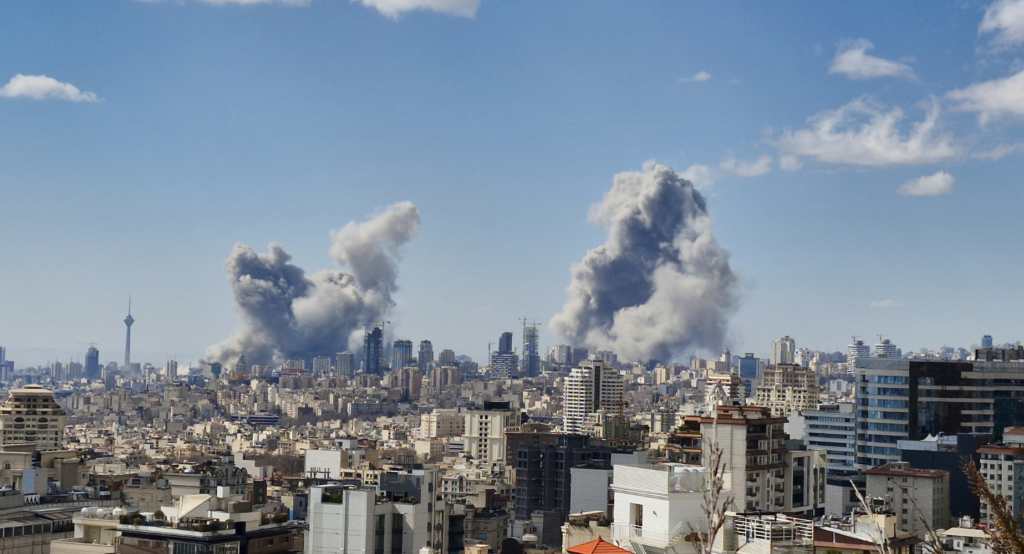
The Current Stalemate As of August 2026, nearly six months after the outbreak of hostilities on February 28, the Iran War has settled into a dangerous and unsustainable stalemate. The United States and Israel opened the conflict with a coordinated campaign that killed Supreme Leader Ali Khamenei, degraded Iranian military and nuclear infrastructure, and imposed […]
An Intruder Between Abraham and Cyrus
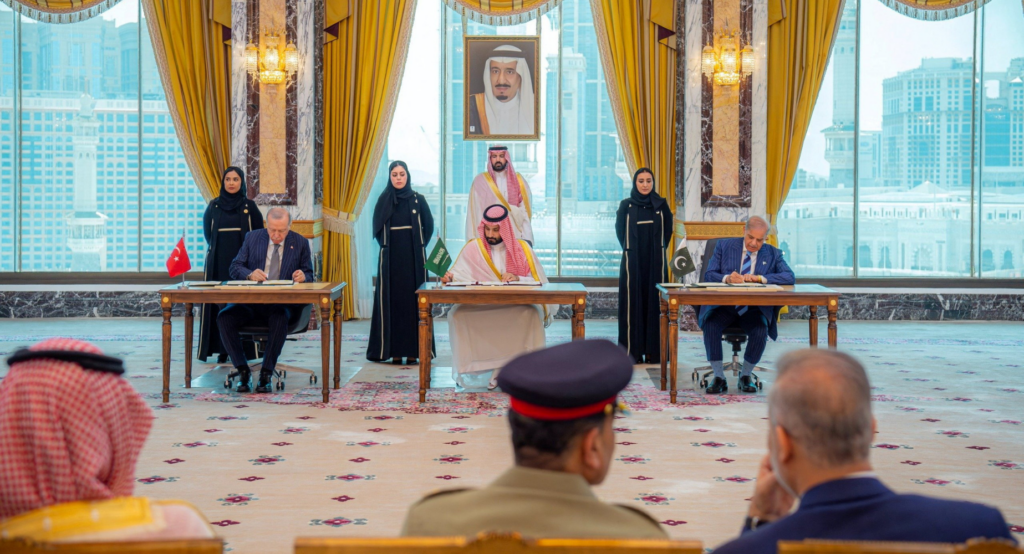
Can the Mecca Pact Reshape the Middle East? The Mecca Joint Defence Agreement between Saudi Arabia, Türkiye, and Pakistan has been presented as a historic step toward Muslim collective security. Signed on August 7, 2026, the agreement declares that an armed attack on one member will be regarded as an attack on all three. Yet […]
Demystifying agentic AI

Everyone wants an AI strategy. Almost nobody wants to first figure out whether they need AI at all. A couple of weeks ago, the CEO of a non-profit organization called me. “Esti, you understand AI, right?” Well, no one really understands AI, I told her, but I asked what I could do to help. She […]
China’s Plausible Deniability Doctrine in the Middle East
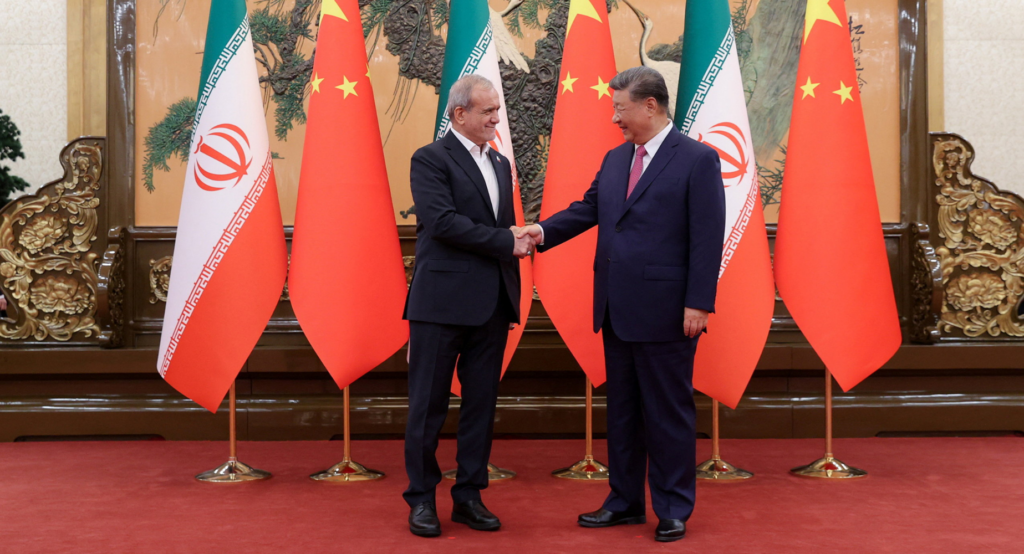
China insists it is a neutral actor in the Middle East. However, recent reports suggesting it is helping Iran rebuild its air defenses tell a very different story. Whether those reports are ultimately confirmed is almost beside the point. The real story lies in the widening gap between Beijing’s diplomatic rhetoric and its strategic behavior. […]
From Life Itself
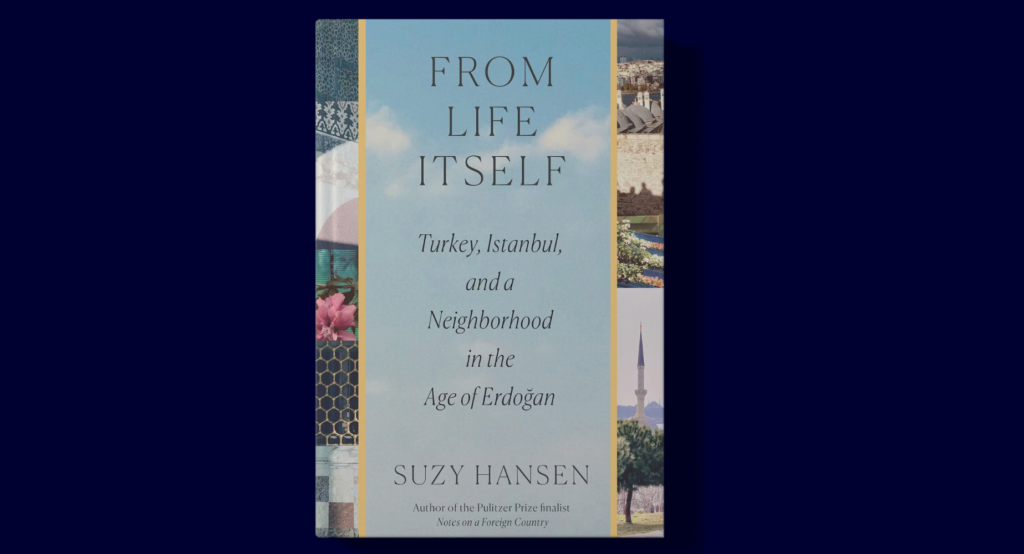
Suzy Hansen’s From Life Itself: Turkey, Istanbul, and a Neighborhood in the Age of Erdoǧan is one of the most important works in recent years about Turkey.. Hansen lived in Istanbul from 2007 to 2023, which covers the major period of Erdoǧan’s rule, and has an important asset, a command of Turkish. This is […]
Do the Trump Tariffs Make Sense?
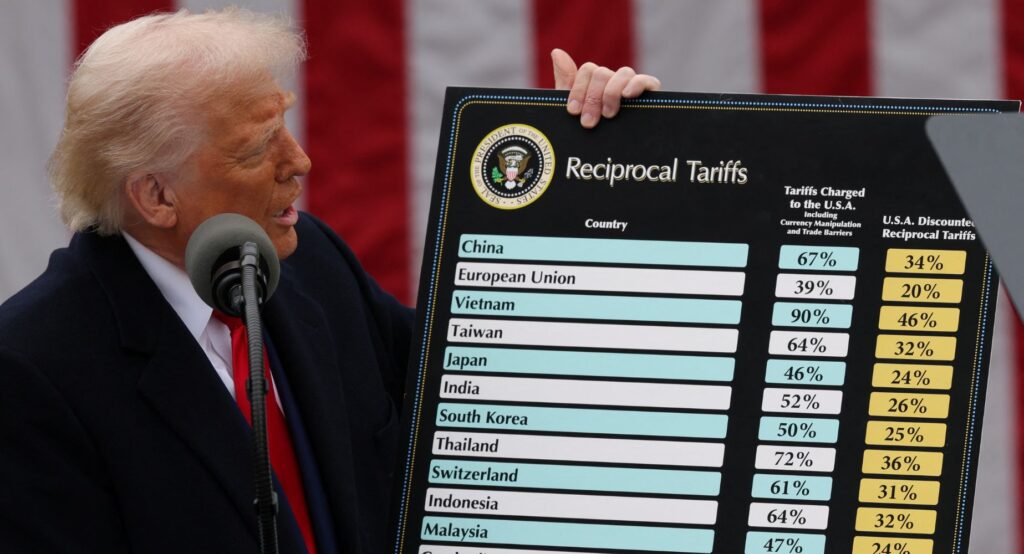
In 1817 David Ricardo, an English economist and politician, changed the world. In his treatise On the Principles of Political Economy and Taxation, he demonstrated that free trade between and among countries always benefits all of them, because of the principle of comparative advantage: even if country A can produce every product and commodity more […]
Gadi Eisenkot
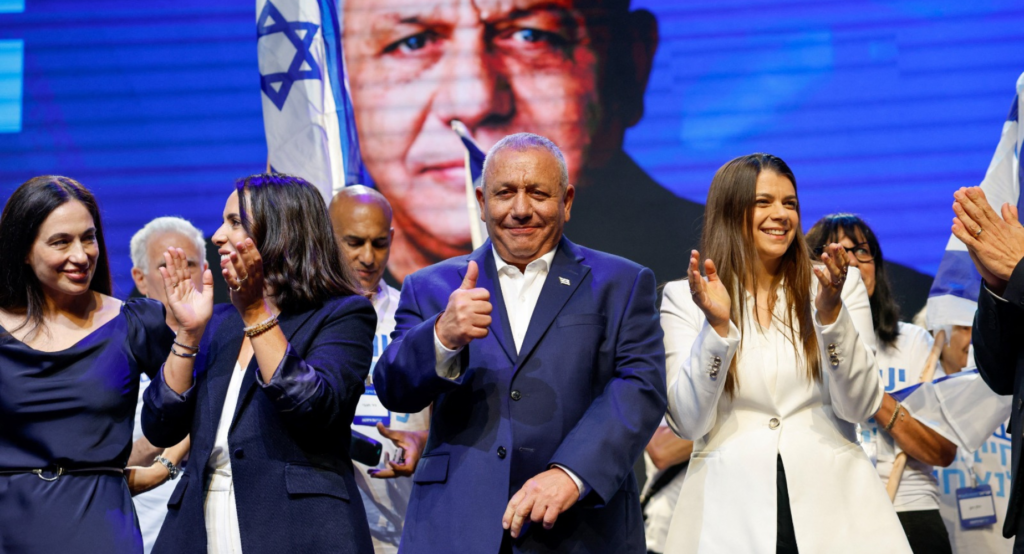
Gadi Eisenkot: soldier, general, Chief of Staff, political leader — and bereaved father. After more than four decades serving Israel, his story is marked by command, sacrifice and the loss of his son Gal in Gaza. The Reminder looks beyond the candidate.